




Truly a brilliant initiative promoted by CTE Cagliari DLAB, dedicated to emerging technologies and the innovative solutions developed by the companies that won the Call4Solution.
On Monday, November 10, ITER IDEA presented in Cagliari a milestone that marks a new step in our innovation journey: the first implementation of our scheduler based on quantum technologies.
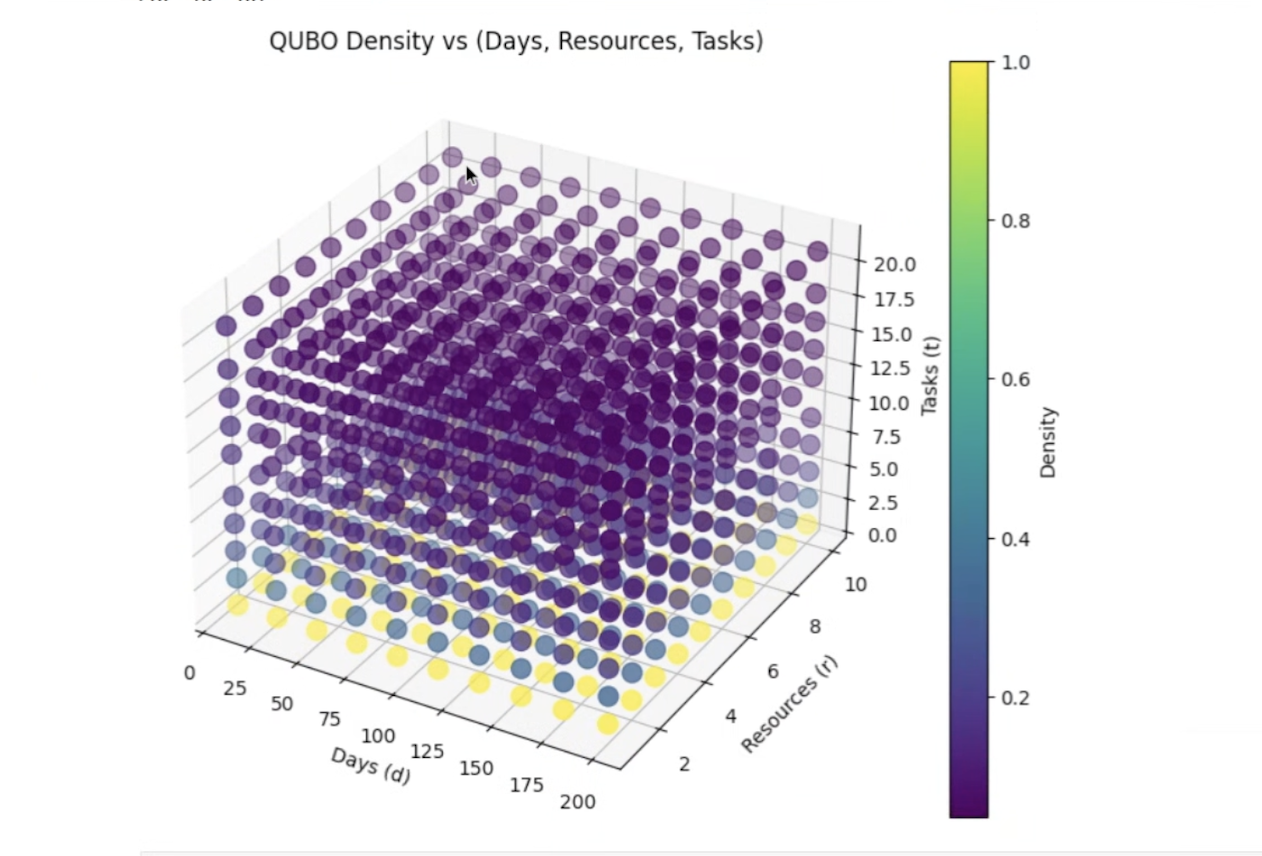
Q-PLAN represents one of the first practical applications of quantum computing to the world of predictive and optimized planning in the smart-city domain. Although still in an experimental phase, we adapted the optimization algorithms developed so far by ITER IDEA so they can be used on both analog (annealer) and digital (gate-based) quantum computers.
While the development of large-scale quantum computers is a goal expected in the coming years, we have explored whether these problem-solving algorithms could achieve efficiency and current limitations.
Smart Cities and intelligent planning
The cities of the future cannot simply be ‘digital’: they must be predictive, adaptive, and resilient.
In this context, Q-PLAN introduces a new paradigm: the ability to anticipate and react to external changes (traffic, urgent maintenance, variations in resource availability, weather conditions, extraordinary events) through algorithms that learn and adapt in real time.
This approach opens the door to significant developments such as:
- Urban mobility management, with dynamic optimization of vehicles, shifts, and infrastructure.
- Predictive maintenance of networks and public services, reducing intervention times and costs.
- Energy and environmental management, thanks to intelligent resource distribution.
- Operational planning for public bodies, improving decision-making capabilities and responsiveness during critical moments.
A strategic support for Public Administration and urban mobility
Q-PLAN was created as a real-time decision-support tool for Public Administrations, state-owned companies, and urban mobility players. It enables the simulation of complex scenarios and identifies, within seconds, the most efficient configuration for allocating staff, vehicles, or infrastructure resources—even when facing strict constraints or limited resources.”
This predictive computing capability translates into a tangible competitive advantage: greater efficiency, reduced resource waste, and more resilient planning in the face of constantly evolving circumstances.
Innovation and collaboration
We had the opportunity to test the prototype in preview, and we were genuinely impressed: the speed with which Q-PLAN can recalculate entire operational plans based on external events positions it as one of the most promising tools in the AI Scheduling landscape.
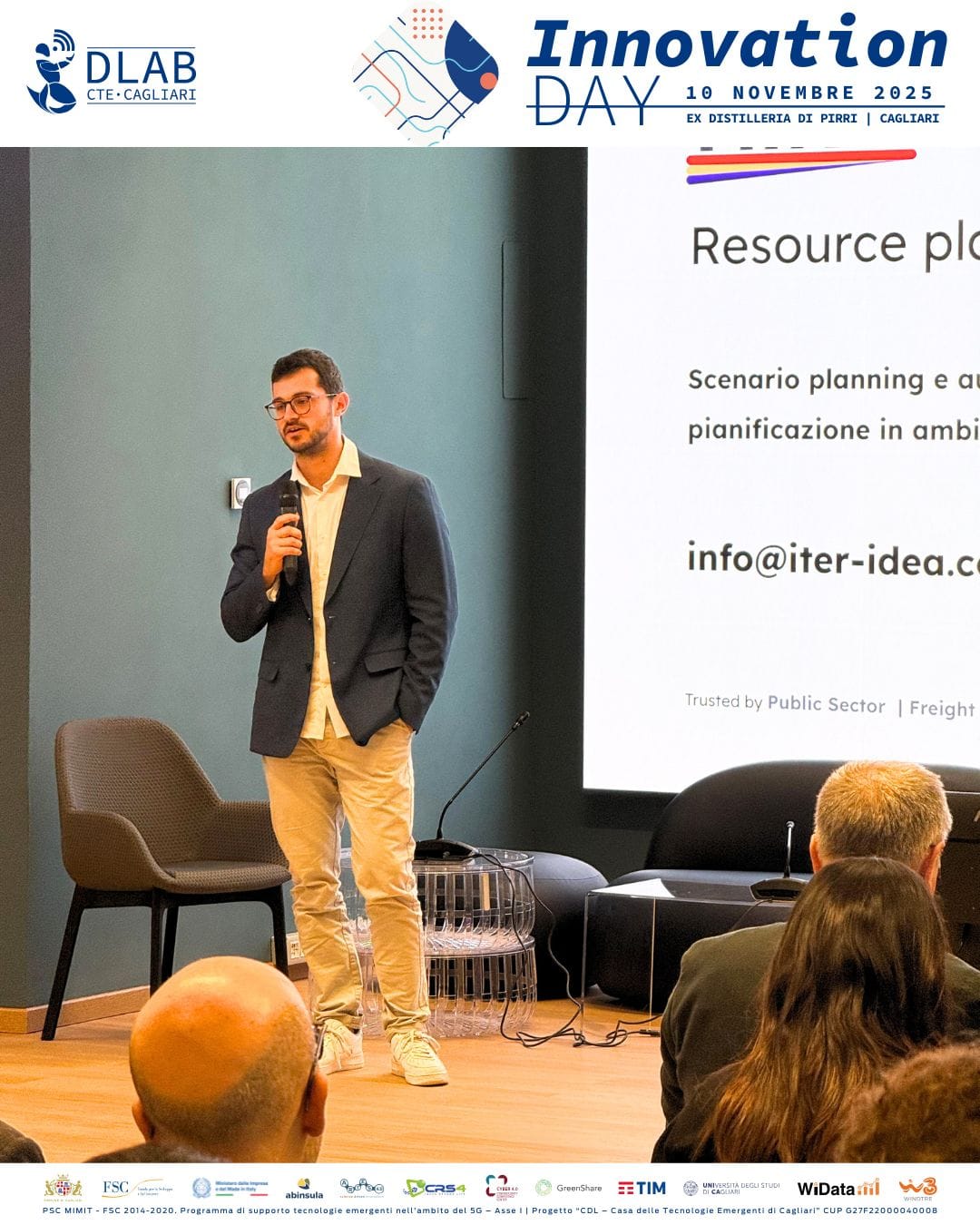
Emanuele Marsili described in detail the technological foundations and the most innovative aspects of this project, and we thank the Municipality of Cagliari and CRS4 – the Center for Research, Development and Advanced Studies in Sardinia – for making this experimentation possible by providing the quantum hardware infrastructure.
As specialization in scheduling problems increases, it becomes necessary to monitor opportunities to bring the potential of quantum computing from the laboratory to real-world applications, transforming the way cities plan, manage, and optimize their resources. With Q-PLAN, smart urban planning enters a new phase: the one in which artificial intelligence meets the power of quantum computing.
A strategic support for Public Administration and urban mobility
Q-PLAN was created as a real-time decision support tool for Public Administrations, state-owned companies, and urban mobility players.
It allows the simulation of complex scenarios and the identification, in just a few seconds, of the most efficient configuration to allocate personnel, vehicles, or infrastructure resources, even in the presence of strict constraints or limited resources.
This predictive computing capability translates into a tangible competitive advantage: greater efficiency, reduced resource waste, and more resilient planning in the face of ever-changing circumstances.
A look to the future
ITER IDEA’s goal is clear: to bring the potential of quantum computing from the laboratory to real-world applications, transforming the way cities plan, manage, and optimize their resources.
Q-PLAN supports smart urban planning entering a new phase: one in which artificial intelligence meets the power of quantum computing to build cities that are more sustainable, efficient, and responsive.


